Rick Steves’ Europe: Italy connoisseurs choose leisurely Lucca
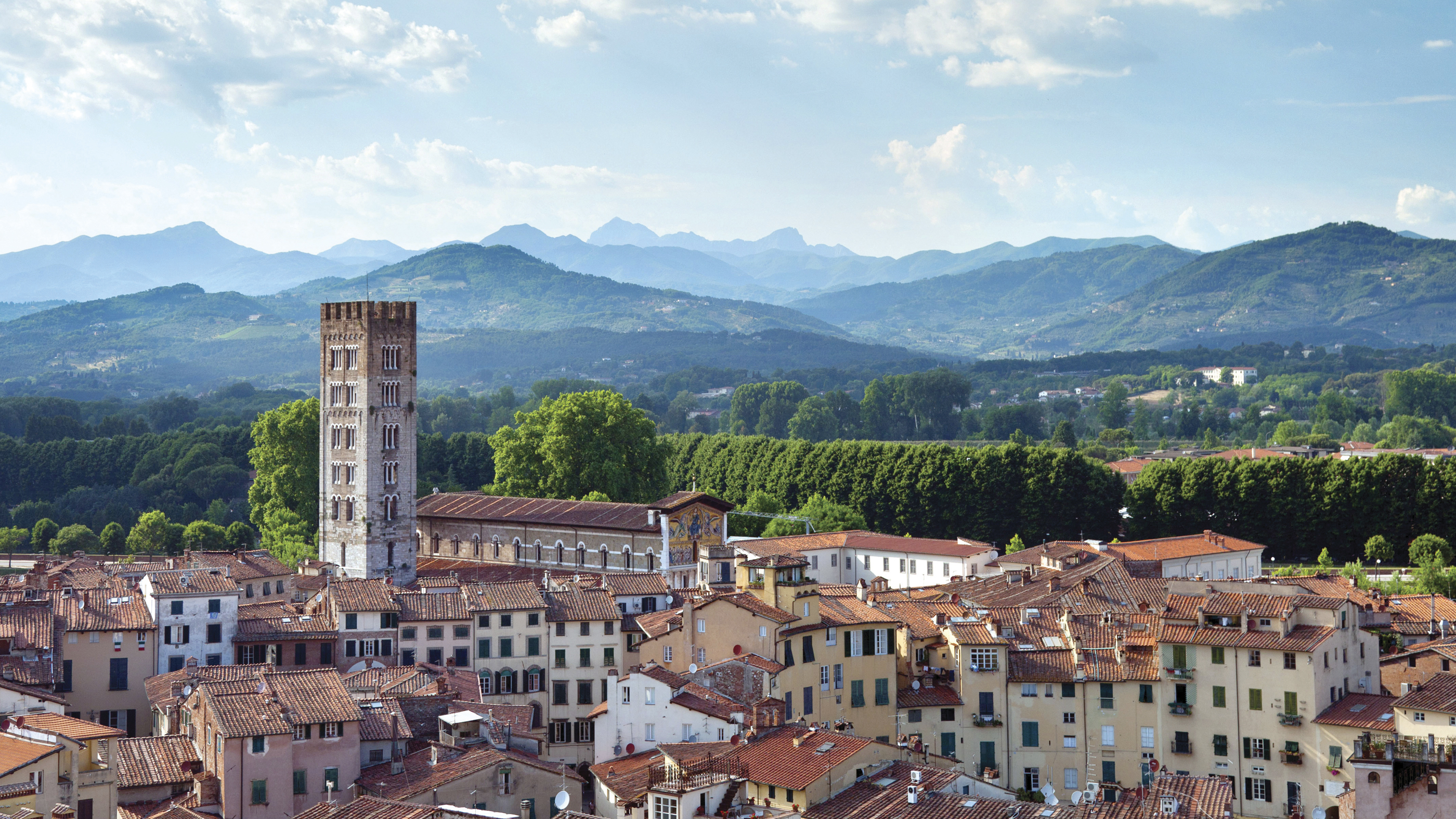


On a sunny summer evening in Lucca, Italy, I was inspired by the simple joy of watching an old man bicycling with his granddaughter atop the wide, fortified wall that once protected this proud city from its enemies – and now corrals its Old World charm. Then, on rented bikes, a group of chatty tourists frolicked by. Their enthusiasm was contagious. Squinting at the energy in their smiles, surrounded by dazzling sunshine, it struck me that the sun in Italy seems to have a special glint. It's as if it's telling visitors, "Embrace life!"
Lucca has no single monumental sight. It’s simply a uniquely human and well-preserved city. Despite being seen as the "touristic" center, the mostly traffic-free old town actually feels more local than touristy (aside from a few cruise excursions from nearby Livorno that pass through each day).
Lucca began as a Roman settlement. In fact, the grid layout of the streets (and the shadow of an amphitheater) survives from Roman times. As was typical for Roman towns, Lucca's two main roads quartered the fortified town, crossing at what was the forum – the main market and religious/political center (today’s Piazza San Michele). The amphitheater sat just outside the original Roman walls.
The city is a bit of a paradox; while it has Europe’s mightiest Renaissance wall, it hasn’t seen a battle since 1430. A friend once explained to me the difference between a Renaissance wall and a medieval wall: Medieval walls are thin, because with weapons like arrows and stones, there was no need for thick fortification. But in Renaissance times, the advent of powerful cannons introduced the need for thicker, more substantial walls – like Lucca's.
These days, locals treat their ramparts like a circular park. And, with plenty of rental bikes available, visitors can enjoy a lazy pedal around its two-and-a-half-mile circuit. It's a wonderfully smooth 20-to-30-minute ride, depending on how fast you go and how crowded the wall-top park is. The best people-watching – and slowest pedaling – is during "passeggiata" time, just before dinner, when it seems all of Lucca is out doing slow laps around the wall.
In its heyday, Lucca packed 70 churches and over 100 towers within its walls. Each tower was the home and private fortress of a wealthy merchant family, and offered a safe, all-in-one structure to live, work, and garden. Interiors were single rooms stacked atop each other: shop, living room, and then the kitchen, all connected by exterior wooden staircases. The rooftop was generally a vegetable garden, with trees providing shade. Later, the wealthy city folk moved into the countryside, trading away life in their city palazzos to establish farm estates complete with fancy villas.
Among Lucca's towers, Romanesque churches seem to lurk around every corner, as do fun-loving piazzas filled with soccer-playing children. The main pedestrian drag here is Via Fillungo, which connects the town’s two busiest squares: Piazza dell’Anfiteatro and Piazza San Michele. Between the two, you can get a taste of Lucca’s rich past, including several elegant, century-old storefronts.
At delightful Piazza dell’Anfiteatro, you’ll feel the architectural ghost of the town’s Roman amphitheater. With the fall of Rome, the theater (which seated 10,000) was gradually cannibalized for its stones and inhabited by people living in a mishmash of huts. The huts were cleared away in the mid-19th century to better show off the town’s illustrious past and make one purely secular square for the town market (every other square is dominated by a church). While the arena’s long gone, its oval shape is a reminder of the city’s classical heritage.
Piazza San Michele also has ancient roots. It’s hosted a market since Roman times, when it was the forum. Today it’s dominated by the Church of San Michele. Towering above its fancy Romanesque facade, the archangel Michael stands ready to flap his wings – which, thanks to a crude mechanical contraption, he actually did on special occasions.
Nearby, the Church of San Giovanni hosts nightly concerts celebrating the music of hometown composer Giacomo Puccini. One of Italy’s greatest opera stars, Puccini is the genius behind the likes of La Bohème, Madame Butterfly, and Tosca. His delightful arias seem to capture the spirit of this wonderful corner of Italy.
While neighboring Pisa has the famous tipsy tower you can climb, lesser-known Lucca is a favorite stop for many Italy connoisseurs. It's just a 30-minute train ride from Pisa and an hour’s drive from Florence – but just because you can easily tack Lucca onto a day trip doesn't mean it should be rushed. If you have time for more than a touristy quickie at nearby Pisa, consider slowing down, grabbing a gelato, and basking in Lucca's genuine charm.
========
Rick Steves ( www.ricksteves.com ) writes European guidebooks, hosts travel shows on public TV and radio, and organizes European tours. This column highlights some of Rick's favorite places and travel insights over a lifetime of exploring Europe and sharing his discoveries. You can email Rick at rick@ricksteves.com and follow his blog on Facebook.
©2026 Rick Steves. Distributed by Tribune Content Agency, LLC.
(c)2026 RICK STEVES DISTRIBUTED BY TRIBUNE MEDIA SERVICES, INC.









Comments