7 items which will make you dog walk go more smoothly
Published in Cats & Dogs News
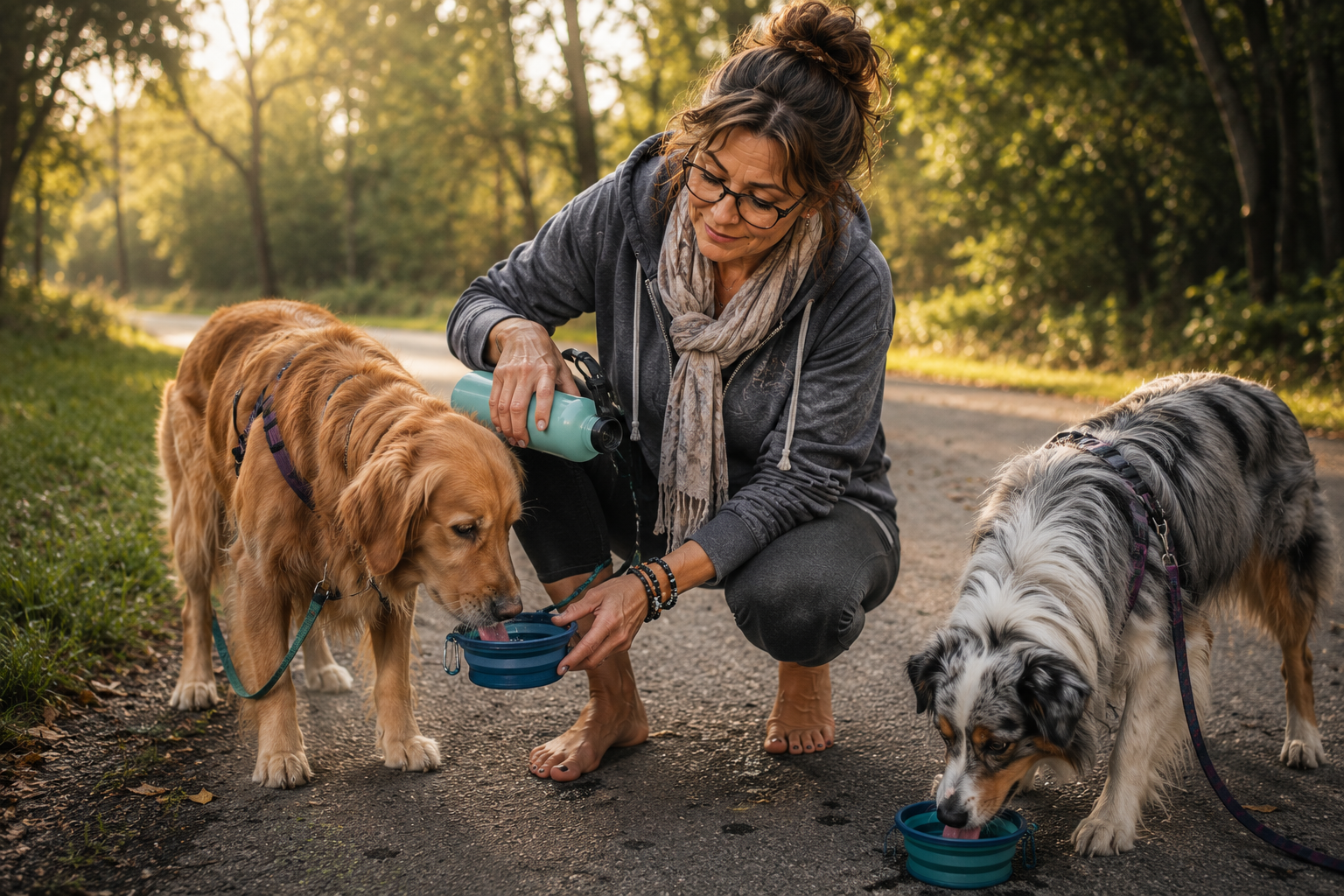
A dog walk can be one of the most enjoyable parts of the day, but it can also become frustrating when the leash tangles, the weather changes or an excited dog decides every squirrel deserves immediate investigation. A little preparation can make outings calmer, safer and more rewarding for both dog and human.
The right equipment and habits do not need to be expensive or complicated. These seven items can help make daily walks run more smoothly.
1. A well-fitted harness or collar
A properly fitted harness or collar is the foundation of a safe walk. It should be snug enough that the dog cannot back out of it but loose enough to avoid rubbing or restricting movement. As a general guide, a person should be able to slide two fingers beneath most collars and harness straps.
Harnesses can be especially useful for dogs that pull, have delicate necks or are prone to coughing. A front-clip harness may provide additional control by redirecting a dog’s body when it lunges forward. However, no piece of equipment replaces patient leash training.
Check the fit regularly, particularly with growing puppies, dogs whose weight fluctuates and long-haired dogs whose coats may hide loose straps.
2. A sturdy, comfortable leash
A reliable leash should feel secure in the hand and match the dog’s size and strength. A standard leash measuring about 4 to 6 feet gives most dogs enough room to explore while allowing the handler to maintain control near traffic, other animals and pedestrians.
Retractable leashes may offer freedom in open spaces, but they can be difficult to manage on sidewalks or in crowded areas. Their thin cords may also wrap around legs or hands. A traditional leash is usually easier to shorten quickly when needed.
Look for strong stitching, dependable hardware and a handle that does not dig into the hand. A second loop near the clip can provide extra control when crossing streets or passing another dog.
3. A supply of small training treats
Treats can turn an ordinary walk into a practical training session. Small, soft treats are usually best because a dog can eat them quickly without stopping for long periods.
Use treats to reward loose-leash walking, eye contact, calm behavior and successful responses to cues such as “leave it,” “wait” and “come.” The goal is not to bribe the dog through the entire walk. Instead, treats should mark and reinforce the behavior the handler wants to see again.
For dogs that are not food-motivated, praise, a favorite toy or permission to sniff can serve as a reward. Sniffing is valuable mental stimulation, and allowing a dog to investigate an interesting patch of grass can be a powerful incentive.
4. Waste bags and a secure holder
Waste bags are essential, and carrying more than one is a sensible habit. Dogs have a way of needing an extra bag precisely when the owner brought only one.
A dispenser attached to the leash helps ensure bags are always available. Some holders also include a small hook or clip for carrying a used bag until a trash container is found.
Picking up waste is more than a matter of courtesy. It keeps sidewalks, parks and shared spaces cleaner while reducing the spread of parasites and bacteria. Before leaving home, check that the dispenser is not empty. Discovering an empty roll halfway through a walk is an avoidable inconvenience.
5. Water and a portable bowl
Dogs can become thirsty quickly, particularly during warm weather, long walks or vigorous exercise. A small bottle of water and a collapsible bowl allow a dog to drink without relying on puddles, public bowls or questionable outdoor water sources.
Plan walks around the weather. During hot months, early morning and evening outings are generally more comfortable than midday walks. Test pavement with the back of the hand. When the surface is too hot to hold comfortably for several seconds, it may also be too hot for a dog’s paws.
Older dogs, short-nosed breeds, puppies and dogs with medical conditions may tire sooner than expected. Offer water and watch for excessive panting, slowing down, confusion or reluctance to continue.
6. A visible identification tag
A secure identification tag can help reunite a lost dog with its family quickly. The tag should include a current phone number and enough information for someone to make contact.
Inspect tags, rings and clips regularly. Metal rings can bend, and engraved numbers may become difficult to read over time. A tag silencer or tag that slides onto the collar may reduce noise for dogs bothered by constant jingling.
Microchipping provides another important layer of identification, but it does not replace a visible tag. A person who finds a loose dog can call a phone number immediately, while a microchip must be scanned by a shelter, veterinary office or animal control agency.
7. A simple walking plan
A smooth walk begins before the door opens. Consider the route, weather, traffic, lighting and likely distractions. A familiar neighborhood loop may be best for a nervous dog, while a confident hound may appreciate a slower “sniff walk” in an area with new scents.
Not every walk must cover a long distance. For many dogs, 20 minutes of relaxed sniffing can be more satisfying than a rushed mile. Allow time for exploration while maintaining clear boundaries around roads, private property and unsafe objects.
Pay attention to the dog’s body language. A tucked tail, repeated yawning, freezing, frantic pulling or refusal to move may signal fear or discomfort rather than stubbornness. When a dog is overwhelmed, increasing distance from the trigger is often more effective than forcing an interaction.
The best walks balance safety, structure and freedom. With dependable equipment, useful supplies and realistic expectations, daily outings can become less of a chore and more of a shared ritual.
========
Marisol Keene writes about practical pet care, neighborhood life and the small routines that strengthen the bond between people and animals. She lives with two rescue dogs and believes every good walk should include time to stop and sniff. This article was written, in part, utilizing AI tools.






Comments